
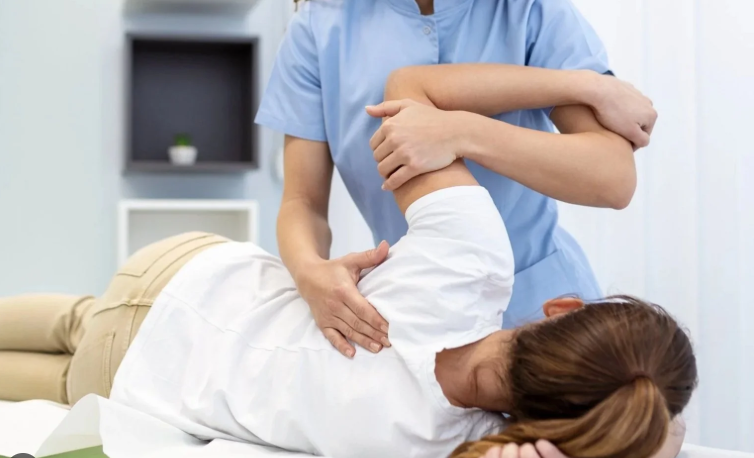
Travel and active days can place different physical demands on the body. Walking through airports, standing in lines, carrying luggage, sitting during long drives, climbing stairs, and exploring new places can all require strength, mobility, balance, and endurance.
Even when someone is generally active, changes in routine can make familiar movements feel more demanding. Long periods of sitting followed by walking, carrying bags while navigating unfamiliar spaces, or spending several hours on the feet can expose areas that may need additional support.
For San Ramon residents who want to maintain comfortable movement while traveling or enjoying busy days, San Ramon Physical Therapy can provide a practical approach to building physical capacity. Exercise and movement strategies can be connected to the activities a person wants to perform confidently.
Preparing the Body for Travel Demands
Travel often involves a combination of movements rather than one specific activity. A typical day may include sitting in a vehicle, walking through a terminal, standing while waiting, lifting luggage, and walking again shortly afterward.
The body needs to transition between these positions efficiently.
A movement-focused exercise program can address the physical skills needed for these changes. Lower-body strength can support walking and standing, while mobility can make transitions more comfortable.
At Ironhorse Physical Therapy & Pilates, Inc., exercise can be considered in relation to individual activity goals and everyday movement demands.
Preparing before a trip does not necessarily mean performing intense workouts. Consistent, manageable exercise can help develop useful physical capacity over time.
Building Walking Endurance for Busy Days
Travel can involve much more walking than a normal daily routine.
Airports, museums, shopping areas, hotels, tourist destinations, and outdoor attractions may require extended periods of walking. There may also be frequent changes between walking and standing.
For someone who normally spends limited time on their feet, this increased activity can lead to fatigue.
A gradual walking program can help build endurance. Starting with a manageable distance and increasing activity progressively allows the body to adapt to greater demands.
San Ramon Physical Therapy can incorporate walking-related goals into a broader exercise plan when increased walking tolerance is important to someone's lifestyle.
Supporting Strength While Carrying Luggage
Luggage can create additional physical demands.
A suitcase may need to be lifted into a vehicle, moved across a room, placed into storage, or carried for short distances. Smaller bags may also be carried repeatedly throughout the day.
These activities involve the arms, shoulders, trunk, hips, and legs.
Functional strengthening can help develop the physical capacity required for carrying tasks. Exercises can be adjusted based on current abilities and the types of activities a person expects to perform.
The goal is not simply to become stronger in a gym setting. It is to develop strength that can support practical activities outside the exercise environment.
Improving Mobility After Long Periods of Sitting
Long car rides and flights can involve extended periods of sitting.
After sitting for a significant amount of time, some people may feel stiff when they stand and begin walking. Limited movement during travel can make the transition from sitting to activity feel less comfortable.
Mobility exercises can help maintain movement through the hips, spine, shoulders, and other areas.
Regular movement breaks during longer journeys may also help provide opportunities to change position and move the body.
A personalized Physical Therapy San Ramon approach can consider how prolonged sitting fits into a person's travel routine and what movement strategies may be practical.
Making Vehicle Transfers Easier
Road trips often involve repeated transfers in and out of a vehicle.
Getting into a car, sitting for an extended period, turning to exit, and standing up can become more demanding when repeated throughout a busy day.
Lower-body strength and hip mobility contribute to these movements.
Exercises that involve controlled sit-to-stand transitions can help develop useful functional strength. Movement practice can also focus on coordination between the legs and trunk.
Improving these basic transitions may support other daily activities beyond travel, including getting out of chairs, using stairs, and moving around the home.
Supporting Balance in New Environments
Travel often means moving through unfamiliar environments.
Different surfaces, crowded walkways, curbs, stairs, ramps, and changes in direction can require constant adjustments.
Balance is not limited to standing still. It also involves controlling the body while walking, turning, stepping over obstacles, and changing direction.
Exercise can incorporate dynamic balance activities when appropriate.
- Controlled stepping can help practice changes in direction and weight distribution.
- Functional movement exercises can combine balance with walking, reaching, turning, and other everyday actions.
Developing better body awareness can help individuals recognize how their balance changes during different activities.
Preparing for Longer Periods of Standing
Travel and social activities can include more standing than expected.
People may stand while waiting for transportation, checking into a hotel, attending events, talking with others, or waiting in restaurants.
Standing tolerance depends on more than simply staying upright. The legs, hips, and trunk need enough strength and endurance to support the body over time.
A progressive strengthening routine can help build capacity for longer periods of standing.
For individuals interested in San Ramon Physical Therapy, standing endurance can be considered as part of a larger functional activity plan.
Managing Stairs and Changes in Elevation
Stairs may become a regular part of travel.
Hotels, transit stations, parking structures, public buildings, and outdoor destinations can all include steps or changes in elevation.
Comfortable stair movement requires lower-body strength, balance, coordination, and sufficient mobility.
Exercises can focus on controlled stepping and strengthening of the muscles involved in stair use.
Gradual progression can help individuals work toward handling more challenging environments while maintaining appropriate movement control.
Supporting Comfortable Outdoor Exploration
Travel often creates opportunities for outdoor activity.
Walking through parks, exploring neighborhoods, visiting attractions, or spending time on trails can involve varied surfaces and longer distances.
Outdoor movement may require more adaptability than walking on a predictable indoor surface.
Strength and balance exercises can help prepare the body for changing movement demands.
Walking practice can also be adjusted to gradually increase duration and distance when appropriate.
This type of preparation can make physical activity more closely connected to real-world goals.
Maintaining Energy During Active Days
A busy day can combine many different activities.
Someone may walk in the morning, spend time sightseeing, carry personal belongings, climb stairs, and continue moving until evening.
The challenge is not always one difficult movement. It can be the accumulation of many moderate activities.
Building general endurance can help support this type of day.
A balanced routine may include walking, strength exercises, mobility work, and other appropriate conditioning activities.
At Ironhorse Physical Therapy & Pilates, Inc., movement goals can be considered in the context of an individual's normal activities and desired level of participation.
Creating a Practical Pre-Travel Routine
A useful exercise routine before travel should be realistic.
People often have work, family responsibilities, and other commitments before leaving for a trip. An overly complicated program may be difficult to maintain.
Simple and consistent movement habits can be easier to incorporate.
A routine might include walking, lower-body strengthening, mobility exercises, and functional movements that reflect the demands of the upcoming trip.
The emphasis can be on gradual preparation rather than trying to dramatically increase activity immediately before traveling.
Recovering After Active Travel
Physical demands do not stop when a trip ends.
After several days of walking, standing, carrying luggage, and changing routines, the body may benefit from returning gradually to normal activity.
Light movement, regular walking, mobility work, and appropriate strengthening can support a consistent routine.
Recovery does not necessarily mean complete inactivity. Depending on individual needs, maintaining gentle movement can help someone transition back into everyday activities.
A Physical Therapy San Ramon program can be adapted as activity levels change.
Building Confidence for Future Activities
Physical preparation can provide more than short-term travel support.
Developing strength, mobility, balance, and endurance can also help with future recreational activities, community events, walking routines, and active weekends.
When exercise is connected to meaningful goals, it can become easier to understand why consistency matters.
Instead of focusing only on isolated movements, functional training can consider how different physical abilities work together during real activities.
For San Ramon residents, San Ramon Physical Therapy can be part of a broader strategy for maintaining an active lifestyle and preparing for changing physical demands.
Connecting Movement With Everyday Life
The physical skills needed during travel are also useful at home.
Walking endurance can support errands. Lower-body strength can help with stairs. Shoulder strength can assist with carrying groceries. Mobility can contribute to comfortable vehicle transfers.
This connection makes functional exercise relevant beyond a single trip.
A well-rounded movement routine can support both planned activities and unexpected physical demands that occur throughout normal life.
At Ironhorse Physical Therapy & Pilates, Inc., individualized exercise can be centered around practical movement needs and personal activity goals.
Conclusion
Travel and active days can require walking, standing, carrying, sitting, lifting, stair use, balance, and repeated transitions. Preparing for these demands can help individuals build the physical capacity needed to participate more comfortably in the activities they enjoy.
San Ramon Physical Therapy can provide a functional approach that connects strength, mobility, balance, coordination, and endurance with real-life movement goals.
With consistent exercise and gradual progression, San Ramon residents can work toward better preparation for travel, active weekends, community activities, and everyday routines.
Ironhorse Physical Therapy & Pilates, Inc. can support a movement-focused approach that considers individual goals and the physical demands of an active lifestyle.