
Pickleball has become a popular recreational activity for people who enjoy staying active while combining movement, coordination, and social interaction. The sport involves short bursts of movement, quick steps, reaching, changes in direction, and repeated swings. Even at a recreational level, these demands can challenge mobility, balance, strength, and endurance.
For someone returning to pickleball after an injury or a period of reduced activity, certain movements may feel less comfortable than expected. Reaching across the body, moving toward the ball, stopping quickly, or repeatedly bending and recovering can expose areas of weakness or stiffness.
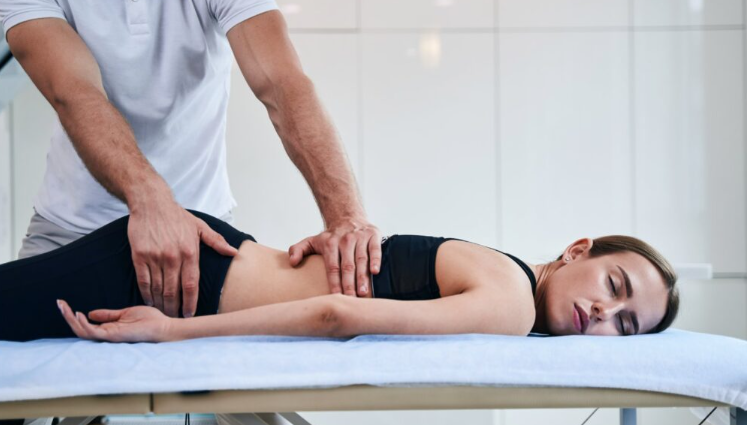
Physical Therapy San Ramon can help individuals work toward movement goals that support recreational activities such as pickleball. A personalized approach can focus on the physical abilities that matter most to the person, rather than using the same routine for everyone.
Physical Therapy San Ramon for Pickleball Movement
Pickleball requires more than simply hitting the ball.
Players may move forward, backward, and side to side while adjusting their position. They may also reach with one arm, rotate the trunk, bend the knees, and quickly recover to a ready position.
These repeated movements can place different demands on the body throughout a game.
Physical therapy may be useful when a person notices that stiffness, weakness, discomfort, or reduced balance is affecting their ability to participate.
A movement-focused evaluation can help identify relevant limitations and connect them with practical activity goals.
Understanding the Physical Demands of Pickleball
Pickleball involves frequent changes in body position.
A player may take several small steps before making a shot and then quickly reposition for the next movement. This requires coordination between the feet, legs, trunk, and upper body.
Some people may find lateral movement more difficult than forward walking. Others may notice discomfort when reaching, rotating, or repeatedly bending.
Recognizing the specific movement that creates difficulty can help make a rehabilitation or conditioning plan more targeted.
Building Lower-Body Strength
The legs provide much of the support needed for pickleball movement.
Repeated stepping and changing direction require controlled movement through the hips, knees, and ankles.
When lower-body strength is limited, a player may have difficulty moving efficiently around the court or may feel fatigued sooner than expected.
A physical therapy program can include strengthening exercises selected according to the individual's current abilities.
Progressive strengthening can help develop the physical capacity needed for recreational activity while allowing the level of challenge to increase gradually.
Improving Side-to-Side Movement
Lateral movement is an important part of pickleball.
Players often move from one side to another instead of simply walking forward. This can require controlled stepping, balance, and coordination.
Someone who has primarily been walking or performing straight-line exercises may find side-to-side movement more demanding.
Physical therapy can incorporate appropriate functional movements when lateral mobility or control is relevant to the person's goals.
The objective is to improve useful movement capacity rather than simply perform exercises without connection to daily or recreational activities.
Physical Therapy San Ramon for Better Balance
Balance can become important when a player moves quickly and then stops to prepare for a shot.
Changing direction, reaching outside a comfortable position, and returning to a stable stance all require body control.
If balance has been affected by injury, inactivity, or another physical limitation, recreational sports may feel more difficult.
A physical therapist can assess balance when it is relevant to the individual's concerns and develop exercises based on those findings.
Preparing for Reaching and Rotating
Pickleball also involves repeated upper-body movements.
Players may reach forward, across the body, or overhead depending on the situation. Trunk rotation can also contribute to many movements.
Limited mobility or strength may make these actions feel less comfortable.
A personalized plan may address relevant mobility and strength limitations while considering the person's activity goals.
The appropriate exercises depend on the individual's evaluation rather than the sport alone.
Developing Quick but Controlled Movement
Recreational pickleball may include short bursts of movement rather than continuous running.
A player might take several quick steps, stop, reach for a ball, and return to a ready position.
These transitions require control as well as speed.
Building movement capacity gradually can help a person prepare for these demands.
For someone considering Physical Therapy San Ramon, describing which pickleball movements feel challenging can help connect treatment goals with actual court activities.
Building Endurance for Longer Games
A player may feel comfortable during the first few minutes of a game but become tired as activity continues.
Fatigue can affect movement quality, concentration, and the ability to reposition efficiently.
Gradually developing endurance can help support longer recreational sessions.
This does not necessarily mean training like a competitive athlete.
Instead, an individual may work toward tolerating the duration and intensity that match their own recreational goals.
Returning to Pickleball After a Break
People may take a break from pickleball because of an injury, illness, schedule change, or reduced activity.
Returning at the same level as before the break may not always feel comfortable.
A gradual progression can provide an opportunity to rebuild strength, mobility, coordination, and activity tolerance.
Someone might begin with shorter sessions, additional rest periods, or less demanding movement before gradually increasing participation.
The appropriate progression depends on the person's current condition and response to activity.
Preparing for Court Movement
Court movement can be practiced progressively.
A person may first focus on controlled stepping before adding faster changes of direction. As movement tolerance improves, exercises can become more dynamic when appropriate.
This type of progression can help connect basic physical abilities with recreational goals.
At Ironhorse Physical Therapy & Pilates, movement-focused care can be tailored around the activities an individual wants to continue enjoying.
Supporting Shoulder and Arm Function
Although pickleball does not require the same movement demands as some high-intensity racket sports, the arms and shoulders remain important.
Repeated swings can challenge shoulder mobility, arm strength, and coordination.
If discomfort appears repeatedly during swings or reaching, identifying the movement that causes the problem can be useful.
Physical therapy may address relevant strength or mobility limitations based on an individual's needs.
A personalized approach can help avoid focusing on an area without understanding how it fits into the person's overall movement pattern.
Improving Recovery Between Sessions
Recovery can become important when pickleball is combined with other activities.
Someone may play several times per week while also walking, exercising, working, or participating in other recreational activities.
Gradually increasing activity and paying attention to recurring symptoms can help a person understand their tolerance.
If discomfort consistently returns after pickleball sessions, an evaluation may help identify factors that could be contributing to the limitation.
Preparing for Recreational Play With Friends
Many people play pickleball primarily for enjoyment and social connection.
The goal may simply be to participate comfortably, keep moving, and spend time with friends.
This can make activity-specific goals particularly useful.
Rather than focusing only on general fitness, a person may want to tolerate a complete game, move comfortably around the court, or participate without repeatedly stopping because of physical limitations.
These goals can help guide an individualized movement plan.
Physical Therapy San Ramon for Activity Progression
Returning to recreational activity does not have to happen all at once.
A person may progress through several stages:
- Building foundational strength, mobility, and balance based on individual needs.
- Gradually increasing movement complexity, duration, and recreational activity as tolerated.
This approach can allow the body to adapt to increasing demands while keeping the progression connected to the person's goals.
The specific pace should be individualized rather than based on a fixed timeline.
Recognizing When an Evaluation May Help
Occasional tiredness after recreational activity can be normal.
However, persistent pain, recurring symptoms, weakness, limited mobility, or balance difficulties that interfere with pickleball may deserve further attention.
An evaluation can help determine which movement factors are relevant and whether physical therapy is appropriate.
People recovering from an injury or surgery may also benefit from professional guidance before returning to demanding recreational movement.
Supporting an Active Routine in the San Ramon Area
Recreational sports can be an important part of an active lifestyle.
For people who enjoy pickleball, maintaining the ability to step, reach, rotate, balance, and change direction can help support continued participation.
Physical Therapy San Ramon can provide an individualized approach for people working toward recreational movement goals.
Whether someone is returning after a break, rebuilding after an injury, or trying to improve physical capacity for regular play, treatment can be connected with the movements and activities that matter to them.
Conclusion
Pickleball combines mobility, strength, balance, coordination, reaching, and repeated changes in direction. These demands can become more noticeable when someone is returning after an injury or period of inactivity.
Physical Therapy San Ramon can help individuals address relevant movement limitations while working toward realistic recreational goals. A personalized approach may include strengthening, mobility exercises, balance activities, functional movement, and gradual activity progression.
For people in the San Ramon area, Ironhorse Physical Therapy & Pilates, Inc. can provide movement-focused care designed around individual needs and meaningful activity goals.
With appropriate preparation and gradual progression, recreational players can work toward participating more comfortably in pickleball while building physical capacity for an active lifestyle.