
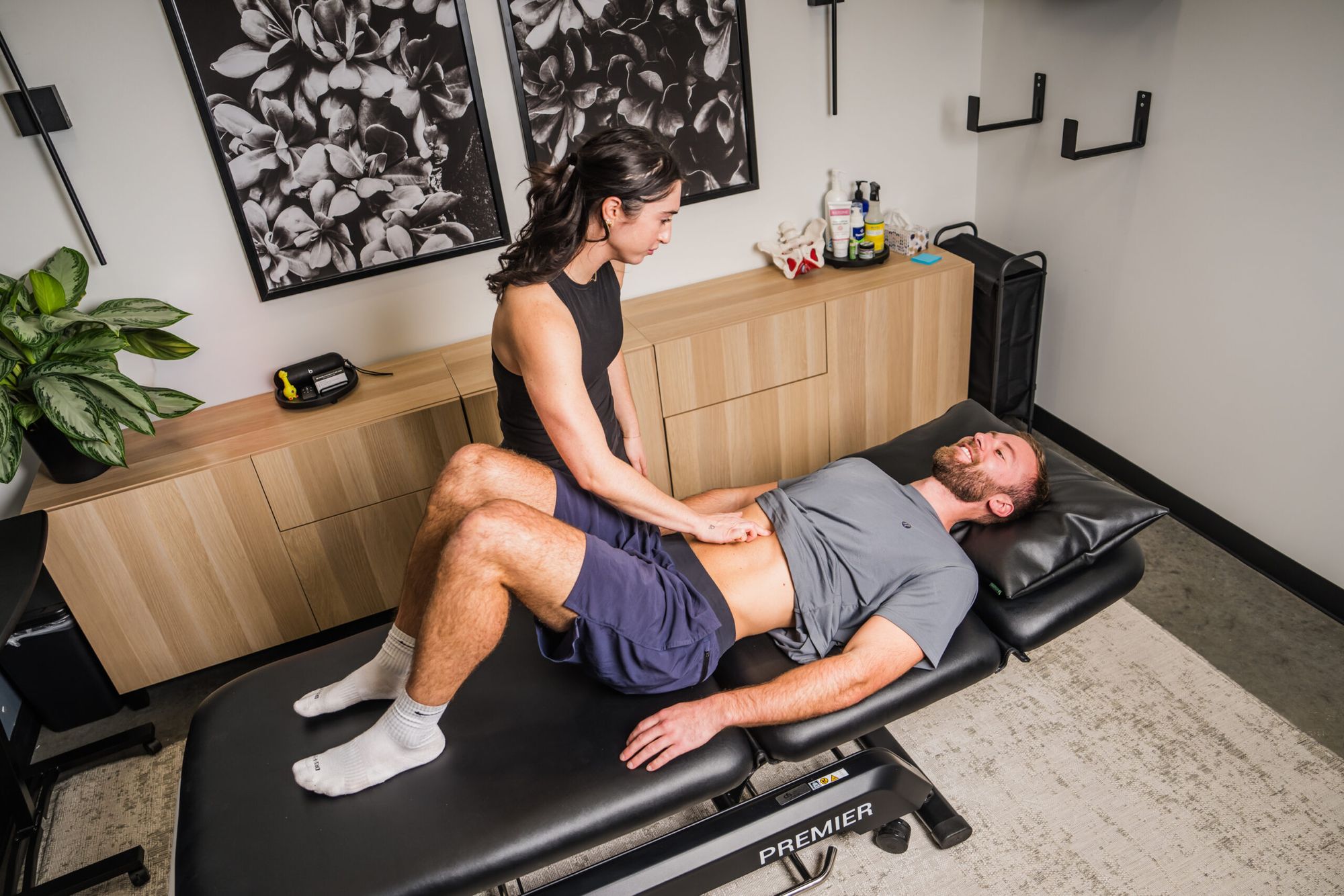
Your body plays an important role in how comfortably you move, exercise, work, and manage everyday responsibilities. However, certain physical concerns can affect your comfort in ways that are not always easy to discuss. Pelvic pressure, discomfort, changes in bladder control, or difficulty engaging your core muscles may influence daily activities and overall confidence. Searching for Pelvic floor therapy near me can be a starting point for learning about available care options and understanding how specialized physical therapy may help address these concerns.
At Ironhorse Physical Therapy & Pilates, movement and physical wellness are central to the services offered. For individuals experiencing pelvic health concerns, it is important to understand their symptoms, explore appropriate treatment options, and seek care from a qualified professional with relevant pelvic health expertise. The right approach depends on each person's needs, medical history, and personal goals.
Understanding the Role of the Pelvic Floor
The pelvic floor is a group of muscles and connective tissues that support the pelvic organs and contribute to bladder and bowel control, core stability, and sexual function. These muscles work with other parts of the body to support everyday movements, including walking, lifting, exercising, and changing positions.
Like other muscles, the pelvic floor can become weak, overly tense, poorly coordinated, or difficult to control. These changes may contribute to symptoms such as urinary leakage, pelvic discomfort, pressure, or difficulty relaxing the muscles.
Pelvic health concerns can affect people at different stages of life. Pregnancy, childbirth, hormonal changes, surgery, certain medical conditions, and habitual movement patterns may influence pelvic floor function. However, symptoms can have several possible causes, so an individual assessment is important.
Understanding how these muscles function can help people recognize when professional guidance may be useful. Pelvic floor concerns are common reasons to seek care, and discussing them with an appropriately qualified healthcare professional is a positive step toward understanding available options.
When Pelvic Floor Physical Therapy May Help
Pelvic floor physical therapy focuses on assessing and addressing problems involving pelvic muscles, coordination, relaxation, and related movement patterns. Treatment is individualized because symptoms that appear similar can have different underlying causes.
For some individuals, pelvic floor muscles may need to develop better strength and endurance. Others may have muscles that remain excessively tense and need help learning to relax and coordinate them. Performing strengthening exercises without understanding the underlying problem may not be appropriate for everyone.
A qualified pelvic health physical therapist may use movement assessments, education, breathing techniques, and individualized exercises depending on the person's needs. Treatment recommendations should reflect the findings of an appropriate evaluation rather than relying on a general exercise routine.
People searching for pelvic floor care should look for a provider whose qualifications and services match their concerns. Asking about pelvic health experience, assessment methods, and available treatment options can help you make a more informed decision.
Supporting Pelvic Health Through Better Movement
Pelvic floor muscles do not work in isolation. They coordinate with the diaphragm, abdominal muscles, back muscles, and hips to support pressure management and movement.
Breathing patterns can influence this coordination. Holding your breath during strenuous activities, for example, can change how pressure is managed within the abdomen. Learning to coordinate breathing with movement may be useful for some individuals, depending on their symptoms and treatment goals.
Posture, lifting techniques, and exercise habits may also be relevant to pelvic health. However, there is no single posture or movement pattern that works for everyone. A qualified professional can help determine which adjustments may be useful for a particular condition.
Ironhorse Physical Therapy & Pilates offers a movement-focused setting for people exploring physical wellness services. If you are considering the practice for pelvic floor concerns, confirm directly whether it provides specialized pelvic health physical therapy suited to your needs.
The Connection Between Core Strength and Pelvic Floor Function
Core stability involves the coordinated activity of several muscles that help support the trunk during movement. The pelvic floor contributes to this system, working alongside the abdominal muscles, diaphragm, and muscles around the spine.
When coordination between these areas is affected, some people may experience difficulty managing physical demands or controlling pressure during certain activities. Nevertheless, pelvic floor symptoms are not always caused by weak core muscles, and stronger muscles do not automatically resolve every pelvic health concern.
Depending on an individual's assessment, treatment may include breathing exercises, gentle coordination activities, progressive strengthening, or relaxation techniques. The appropriate combination depends on whether the muscles need greater strength, improved coordination, reduced tension, or another form of support.
Pilates emphasizes controlled movement, breathing, body awareness, and trunk stability. These principles may complement some physical wellness goals, but general Pilates classes are not equivalent to specialized pelvic floor rehabilitation. Anyone experiencing pelvic pain, urinary leakage, or other pelvic health symptoms should seek guidance before assuming that core exercises are the right solution.
Pelvic Health During Different Stages of Life
Pelvic floor needs can change over time. Pregnancy and childbirth may place additional demands on pelvic tissues, while hormonal changes later in life can influence tissue health and bladder symptoms. Pelvic health concerns can also affect people who have never been pregnant.
Some individuals notice discomfort when returning to exercise after childbirth. Others may experience urinary leakage during coughing, sneezing, jumping, or running. Pelvic pressure, persistent discomfort, and difficulty coordinating pelvic muscles may also warrant assessment.
Treatment should be based on the person's symptoms and circumstances rather than assumptions about age or life stage. A pelvic health professional can evaluate relevant concerns and discuss suitable options.
Seeking help does not mean you must stop all physical activity. In many cases, the goal is to identify appropriate ways to maintain movement while addressing symptoms and avoiding activities that aggravate the problem.
If symptoms are new, persistent, or worsening, consult a healthcare professional to determine the cause and the most appropriate next step.
Choosing the Right Pelvic Health Provider
Finding appropriate care involves more than searching online and selecting the nearest clinic. It is important to establish whether a provider offers the specific type of pelvic health assessment and treatment you need.
When researching pelvic floor therapy near me, consider asking these questions:
- Does the provider have relevant training and experience in pelvic health?
- Can the initial evaluation address your particular symptoms and concerns?
- Will treatment recommendations be tailored to your needs and comfort?
- Are the assessment process and available treatment options explained clearly?
- Can you discuss questions or concerns privately and comfortably?
These questions can help you understand what to expect before beginning care. Pelvic health treatment may involve sensitive discussions or assessments, and your consent, comfort, and understanding should remain important throughout the process.
Ironhorse Physical Therapy & Pilates may be worth contacting to learn more about its services and whether specialized pelvic floor treatment is available. Confirming this directly is the best way to establish whether the practice can address your particular concerns.
Taking a Thoughtful Approach to Pelvic Wellness
Pelvic health is an important part of overall physical well-being, yet many people delay discussing symptoms because they feel embarrassed or assume the problem is something they simply have to accept.
You deserve clear information and appropriate care when physical symptoms affect your daily routine. Whether you are experiencing bladder control changes, pelvic discomfort, or concerns about returning to exercise, a healthcare professional can help you understand possible causes and suitable treatment options.
Searching for Pelvic floor therapy near me is one way to begin exploring available resources. The next step is finding a qualified provider whose services match your needs and who makes you feel comfortable asking questions.
Ironhorse Physical Therapy & Pilates offers physical therapy and Pilates services focused on movement and wellness. Contacting the practice to confirm its pelvic health services can help you decide whether it is an appropriate option.
With an individualized assessment, clear guidance, and a treatment plan suited to your circumstances, you can work toward better pelvic health and greater confidence in everyday activities. Taking your concerns seriously is an important first step toward understanding your body and making informed decisions about your well-being.