
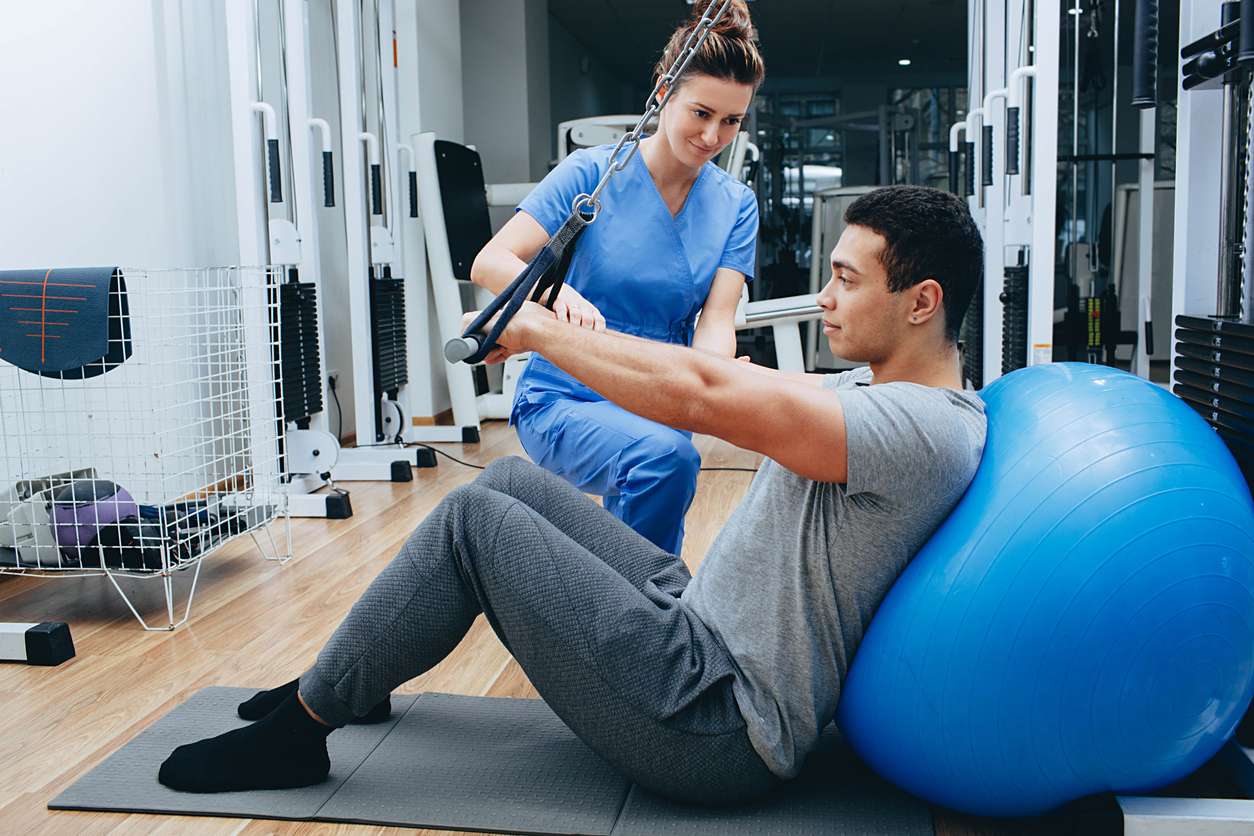
When pain, stiffness, weakness, or limited mobility starts affecting everyday life, finding the right physical therapy can make a meaningful difference. People often begin by searching for physical therapy near me because they want convenient care that also fits their individual needs. However, choosing the right provider involves more than finding a clinic nearby. The quality of care, treatment approach, and connection to personal goals can all matter.
Ironhorse Physical Therapy & Pilates provides personalized physical therapy and movement-focused care for people who want to improve physical function, recover from injuries, and remain active. The practice combines physical therapy, strengthening, movement education, and Pilates-based exercise to help individuals work toward practical goals.
What to Consider When Searching for Physical Therapy Near Me
Convenience is naturally important when choosing a physical therapy provider. A clinic that fits comfortably into your schedule can make it easier to attend appointments and stay consistent with your rehabilitation plan.
But convenience is only one part of the decision.
It is also worth considering whether the provider takes time to understand your concerns and whether the treatment approach matches what you want to accomplish. Your goals might include recovering from an injury, improving mobility, returning to exercise, managing discomfort, or simply becoming stronger and more confident with everyday movement.
When searching for physical therapy near me, looking for personalized care can help make the rehabilitation process more relevant to your lifestyle.
Understanding Your Individual Movement Needs
Every person's physical needs are different. An injury, surgery, repetitive activity, reduced activity, or gradual changes in strength can influence how the body moves.
Sometimes the area where you feel discomfort is only one part of the bigger picture. Changes in hip mobility, core strength, balance, posture, or movement coordination may also influence how you perform certain activities.
A thoughtful physical therapy approach considers these connections rather than focusing on only one symptom.
At Ironhorse Physical Therapy & Pilates, treatment is designed around the individual's current abilities and goals. This allows exercises and movement strategies to be adjusted as progress takes place.
Connecting Rehabilitation With Real-Life Activities
Physical therapy should have a purpose beyond completing exercises during an appointment.
Think about the activities you want to perform comfortably. You may want to walk longer distances, return to running, lift weights, play recreational sports, travel, work around the house, or simply move through your day without constantly thinking about discomfort.
These goals can help guide rehabilitation.
A movement-focused approach can make exercises more meaningful because they are connected to the physical abilities you actually need. As strength, mobility, and coordination improve, exercises can gradually become more challenging and functional.
Building Strength and Stability
Strength plays an important role in everyday movement. The muscles around the hips, legs, core, back, and upper body all contribute to stability and control.
However, effective strengthening does not mean doing the most difficult exercise possible. The appropriate level of challenge depends on the person's current condition and goals.
Someone recovering from surgery may need carefully controlled movements at first. Someone returning to sports may eventually need more advanced exercises that reflect the demands of their activity.
Gradual progression allows physical capacity to develop over time. It can also help rebuild confidence in movement.
Improving Mobility and Movement Quality
Mobility is another important part of physical function. Limited movement in one area can sometimes affect how other parts of the body work during everyday activities.
Physical therapy can address appropriate mobility while also focusing on coordination, balance, posture, and body awareness.
Simple movements such as walking, bending, reaching, standing, sitting, and changing direction can provide opportunities to improve movement quality.
The goal is not to make every movement perfect. Instead, it is to help individuals develop physical skills that support the activities they want to continue doing.
How Pilates Can Complement Physical Therapy
Pilates can be a useful complement to physical therapy because it emphasizes controlled movement, core strength, stability, posture, flexibility, and body awareness.
For someone recovering from an injury or movement limitation, appropriately selected Pilates exercises can provide a gradual way to continue developing strength and control.
At Ironhorse Physical Therapy & Pilates, Pilates can be incorporated into a broader movement-focused approach. This can help create a connection between rehabilitation and long-term fitness, particularly for individuals who want to remain active after completing a period of physical therapy.
Making Progress Without Rushing
Recovery is rarely a straight line. Some improvements may happen quickly, while others require patience and consistent practice.
Progress can take many forms. You may be able to walk farther, perform an exercise with better control, lift more comfortably, improve your balance, or return to an activity you had been avoiding.
These smaller improvements can build toward larger goals.
A personalized program can also change as your abilities improve. Exercises that were challenging early on may eventually become easier, creating opportunities to increase resistance, repetitions, duration, or movement complexity.
Choosing Care That Fits Your Lifestyle
When comparing options for physical therapy near me, consider how the provider's approach fits your lifestyle and expectations.
A good starting point is to identify what you want from therapy. Perhaps your priority is returning to exercise. Maybe you need help after surgery or an injury. You might be looking to improve strength and mobility so you can stay active as you get older.
The more clearly your goals are understood, the easier it can be to build a rehabilitation plan around them.
Ironhorse Physical Therapy & Pilates emphasizes individualized care, movement education, and progressive exercise so that treatment can remain connected to each person's physical goals.
Creating a Foundation for Long-Term Movement
Physical therapy can provide benefits that extend beyond the immediate reason someone began treatment.
Developing better strength, mobility, balance, coordination, and body awareness can create a stronger foundation for future activities. Learning how to progress exercise appropriately can also help individuals maintain an active routine.
Staying active does not have to mean intense workouts every day. Walking, Pilates, strength training, recreational activities, and other forms of movement can all contribute to physical well-being.
The important part is finding activities that are appropriate for your abilities and goals.
Moving Forward With Confidence
Searching for physical therapy near me can be the first step toward finding support that fits both your physical needs and your daily life. The closest provider may be convenient, but personalized attention and a meaningful treatment approach can be just as important.
Whether you are recovering from an injury, rebuilding strength, improving mobility, returning to exercise, or simply trying to stay active, physical therapy can provide guidance for moving forward.
Ironhorse Physical Therapy & Pilates combines physical therapy, movement education, strengthening, and Pilates-based strategies to help individuals work toward better physical function. With personalized goals and gradual progress, people can build greater confidence in their movement and create a stronger foundation for the activities they enjoy.